
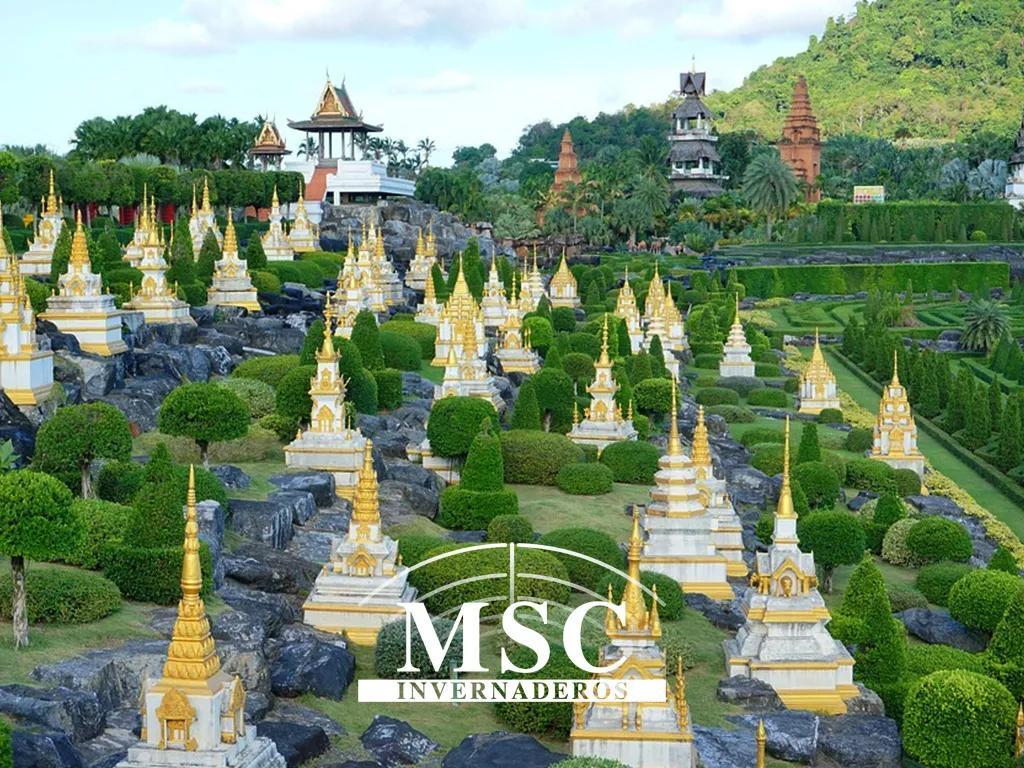
We continue our tour of the world's most spectacular gardens, with stops in Holland (Europe), Suzhou (China) and Pattaya (Thailand).
Keukenhaf.
www.keukenhof.nl
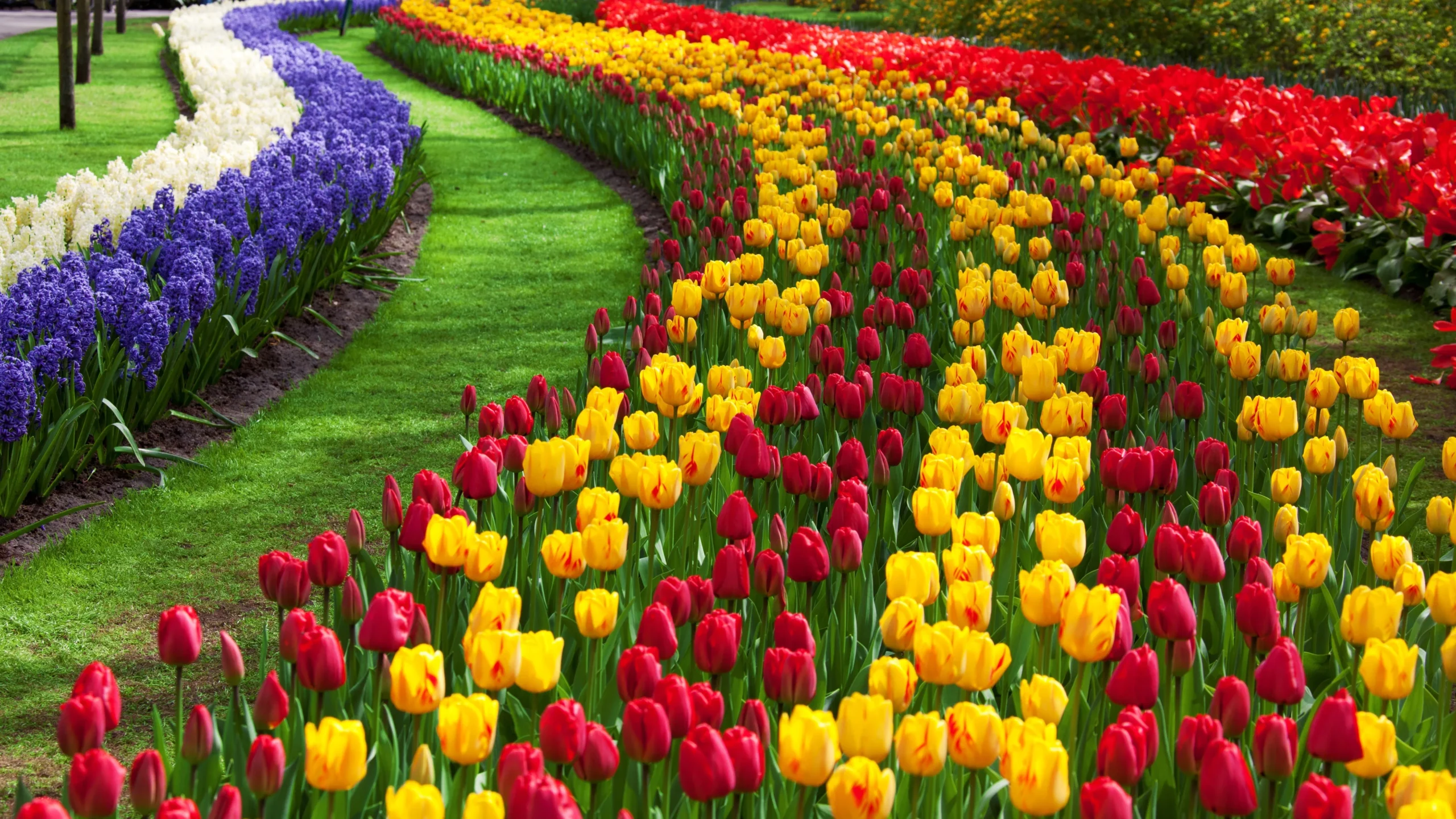
This enormous garden is also known as the Garden of Europe, with its 32 hectares filled with tulips, windmills, fountains, and beautiful lakes interspersed with stunning works of art that dazzle visitors and fill the Dutch with pride. Keukehnof Gardens is located in the towns of Lisse and Hillegom, just over 30 kilometers from the Dutch capital.
With its more than 7 million tulips (including special hybrids that have been or are being developed) , daffodils, hyacinths, and flowering bulbs, Keukenhof is one of the most popular destinations in the Netherlands. The Baba Yaga black tulip from Russia is the most famous flower at Keukenhof.
The name Keukenhof ("Kitchen Garden") is attributed to the noblewoman Jacqueline of Bavaria, who owned the land surrounding Teylingen Castle. Walking through the grounds, she was reminded of the spices used in her palace kitchen. After her death, the new owners, Baron and Baroness Van Pallandt, commissioned renowned landscape architects to design the park in 1840. Using flowers as the central theme and drawing inspiration from the style of English landscape gardens, they divided the park into four sections: the Orange-Nassau Pavilion, the Willem-Alexander Pavilion, the Queen Beatrix Pavilion, and the Queen Juliana Pavilion, achieving a spectacular result.
Currently, Keukenhof Garden is one of the most beautiful spring parks in the world, which can be visited every day from March 20th to May 18th.
Its 15 kilometers of trails invite you to stroll and relax amidst the colorful tulips, though there are even more options. For an unforgettable experience, cycle through the bulb fields surrounding Keukenhof, navigate the canals in the "whisper boat"—a small electric vessel—or take a Dakota aircraft flight over Keukenhof to admire the multicolored paradise from above.
Suzhou.
www.disfrutashanghai.com/suzhou
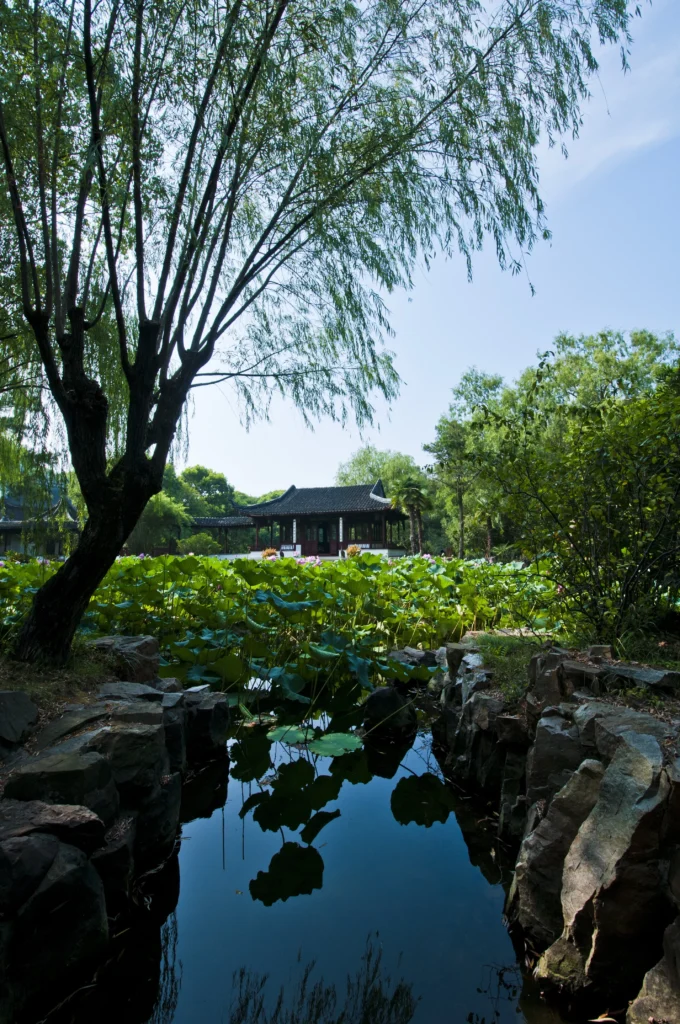
These gardens are the hallmark of the city of Suzhou, in Jiangsu Province, China. Thanks to their beauty, they were recognized as a UNESCO World Heritage Site. Suzhou also boasts the largest number of gardens of any city in China, most of which are privately owned and adhere to the classic architecture of Chinese gardens, centered around four main elements: rocks, water, pavilions, and plants.
The Suzhou Garden, Wangshiyuan in Chinese, was designed during the Song Dynasty between 960 and 1270 AD and is now comprised of nine interconnected gardens that captivate visitors with their meticulous design and beauty. The layout of its pavilions, vestibules, music rooms, stunning bamboo groves, and waterside seating areas represents a true exercise in natural harmony.
The central area is a small world unto itself: “mountains” of yellow stones, caverns, and a small arched bridge called “the one that leads to stillness” that crosses a pond to a small pavilion in the center. The largest and most representative is the Humble Administrator's Garden, which covers an area of 50.000 m² where water predominates, coexisting with centuries-old trees, green bamboo, and flowers to reflect the architectural style of Ming Dynasty gardens.
The Liuyuan Garden, the Master Search Garden, and the Huanxiu Mountain Villa exemplify the architecture of the Ming and Qing dynasties , showcasing the meticulous and precise design that underscores the importance of nature in Chinese culture. This entire garden reflects the meaning of Suzhou as "paradise on earth."
Nong Nooch Tropical Botanical .
www.nongnoochtropicalgarden.com
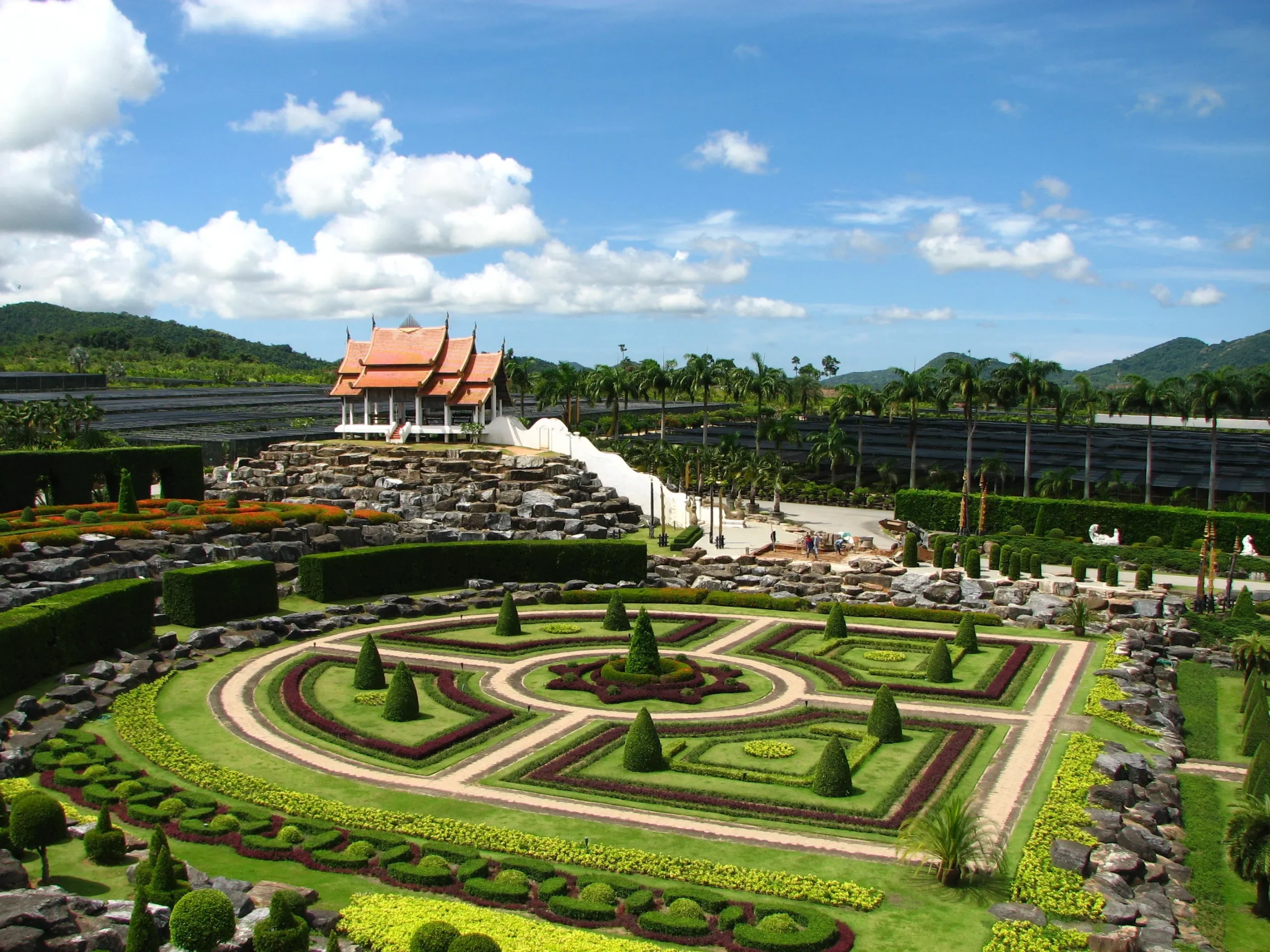
This incredible park/ garden, located in the Pattaya region , is one of Thailand's most popular tourist destinations. It boasts over 15,000 different species of flowers and plants across its 600 hectares, divided into four sections: the French Garden, the Roman Garden, the Cactus Garden, and the acclaimed Orchid Garden.
The origin of this garden dates back to 1954 when Mr. Pisit and Mrs. Nong Nooch bought the property for agricultural use, but after a trip they decided to change its use and dedicate it to a biological conservation project that opened its doors in 1980 and became an immense plantation that preserves genetic diversity and conserves endangered species.
Over time, its original species gave way to new gardens that enrich the landscape, transforming it into one of Asia's most popular tourist destinations. Orchids, bromeliads, palm trees, bougainvillea, bonsai, jasmine, and other species share the spotlight with a multitude of cultural events, shows such as the Thai elephant demonstration, a small zoo, a hotel, and rental accommodations.